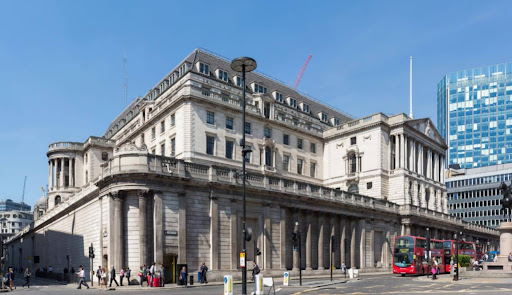
The Bank of England is navigating what Governor Andrew Bailey described as one of the most challenging starts to a year in recent memory, voting unanimously to hold rates at 3.75% on Thursday as the Iran war disrupts the UK’s economic outlook and threatens to push inflation above 3%. The monetary policy committee said the conflict had created a significant new shock that had replaced a relatively benign economic environment with one characterised by external inflationary pressure, domestic economic weakness, and deep uncertainty about the future path of policy. Officials said borrowing costs might need to increase in the months ahead.
The most challenging start framing reflects the accumulation of difficulties in a short period. The year began with reasonable optimism about gradually improving economic conditions and an anticipated rate-cutting cycle. The outbreak of the Iran war has replaced that optimism with a complex set of competing pressures that require the Bank to navigate between the Scylla of inflation and the Charybdis of economic slowdown with the skill and precision that the situation demands.
Bailey acknowledged the difficulty in his public communications without dramatising it unnecessarily. He said the Bank was monitoring the situation carefully and was prepared to act but would do so in a measured and proportionate way. His message was that the Bank was equal to the challenge, even if the challenge was more demanding than had been anticipated.
Financial markets reflected the challenging environment in their response. UK gilt yields rose, the FTSE 100 fell, and the pound strengthened against the dollar as traders priced in a fundamentally more difficult monetary policy environment. Analysts noted that the combination of external inflation risk and domestic weakness was particularly challenging to manage and that the Bank’s next several decisions would define how successfully it navigated the difficult start to the year.
For UK households and businesses, the most challenging start to the year carries real financial consequences. Higher petrol prices, potentially higher energy bills, rising mortgage rates, and a weaker labour market represent a combination of pressures that is difficult to manage individually and deeply challenging in combination. The government and the Bank both face a demanding period ahead as they respond to a year that has not gone as planned.