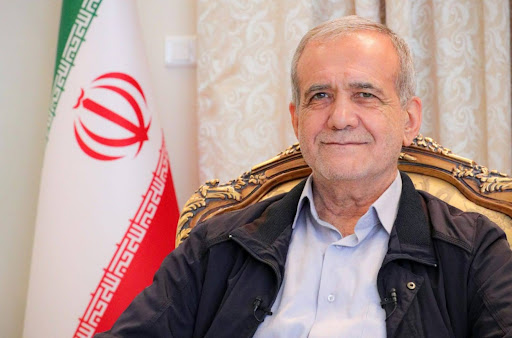
Iranian President Masoud Pezeshkian has proposed a shift toward a regional security model that excludes foreign military intervention. He argued that the current war, now over thirty days old, is being “run” by the U.S. and Israel to the detriment of local nations. Pezeshkian believes that regional “development” can only be achieved if neighbors take full control of their own lands.
Since the war began, countries such as Oman and Qatar have been caught in the crossfire of the Iran-U.S. power struggle. As regional airbases are used for combat missions, the surrounding populations and assets have become vulnerable to retaliatory strikes. This has created a fractured environment where no Gulf state feels truly insulated from the violence.
Tehran’s leadership has been firm in its stance that it will not strike first, but will respond with overwhelming force if provoked. Pezeshkian emphasized that the safety of Iran’s infrastructure is a non-negotiable priority for his administration. This position serves as both a deterrent and a call for a regional policy change.
The impact of this proposed shift would be a fundamental realignment of Middle Eastern politics. If Gulf states move away from U.S. military dependence, it would mark a historic change in the global balance of power. However, achieving this requires a level of regional cooperation that has yet to be fully realized.
In Islamabad, the Pakistani government is working to facilitate the “trust-building” measures requested by Tehran. By bringing together the foreign ministers of Turkey, Egypt, and Saudi Arabia, Pakistan hopes to create a roadmap for a new regional peace. The world is watching to see if this diplomatic effort will pay off.