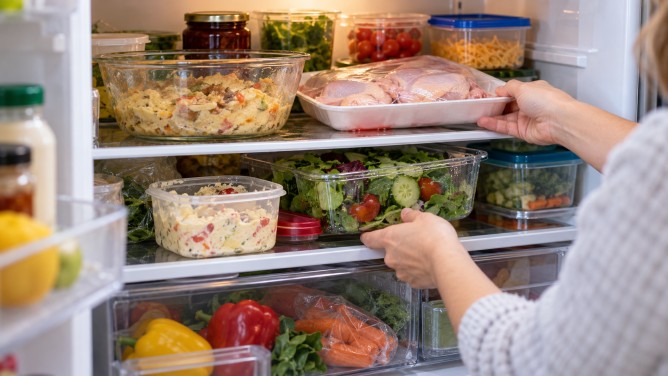
Improper food storage can significantly increase the risk of foodborne illnesses, even when meals are home-cooked and nutritious. Ensuring food safety involves more than just cooking; it requires attention to how food is stored, refrigerated, and reheated. Mistakes in these areas can lead to bacterial growth, posing health risks.
One common error is leaving cooked food at room temperature for too long, which allows harmful bacteria to multiply. Generally, perishable foods should be refrigerated within two hours of cooking, or within one hour if the temperature exceeds 32°C. To speed up the cooling process, divide large quantities into smaller portions and store them in shallow containers.
Overcrowding the refrigerator is another issue, as it can prevent cold air from circulating properly, making it harder to maintain a safe temperature. The refrigerator should be kept at 4°C or below, with enough space for air to move freely. Additionally, raw and cooked foods should be stored separately to avoid cross-contamination. Raw meats and juices can contaminate other foods, so they should be sealed and placed on the lowest shelf.
Reheating leftovers repeatedly can also introduce food safety risks, especially if the food spends too much time at room temperature between meals. Leftovers should be divided into individual portions and reheated only once, ensuring they reach at least 74°C throughout.
Washing produce too early without proper storage can lead to spoilage. Fruits and vegetables should ideally be washed just before use. If washed in advance, they need to be dried thoroughly and stored in a clean container. Relying solely on smell and appearance to judge food safety is risky, as harmful microorganisms may not cause visible or olfactory changes. It’s safer to adhere to recommended storage times and temperatures.
Foods like milk, cooked rice, lentils, and curries require careful temperature control, as bacteria can multiply even without noticeable changes in taste or smell. Dry foods such as bread and nuts also need proper storage to prevent mould.
For safer food storage, refrigerate perishable items promptly, label leftovers with the date, and follow recommended storage times. Thaw frozen foods safely and reheat leftovers thoroughly. When uncertain about how long food has been stored or its temperature history, it’s better to discard it than risk illness. Consistent habits in managing time, temperature, moisture, and cross-contamination can help protect against foodborne illnesses and reduce food waste.