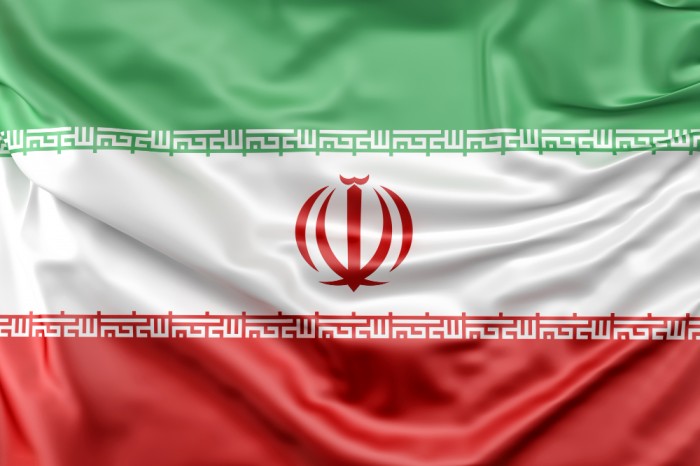
Iran has refuted claims of an impending major agreement with the United States, citing that several critical issues remain unresolved despite notable progress in talks. Esmail Baghaei, a spokesperson for Iran’s foreign ministry, acknowledged that while both parties have reached consensus on numerous points, it is premature to predict a finalized deal. He attributed the delay to conflicting statements from Washington and interference by Israel.
A central topic in the discussions is the reopening of the Strait of Hormuz for commercial shipping. Iran clarified that it does not intend to levy tolls on passing vessels, but may introduce fees for navigational and environmental protection services in collaboration with Oman. Additionally, Iran emphasized that any agreement must ensure a ceasefire in Lebanon and the lifting of restrictions on Iranian ports and shipping activities.
US Secretary of State Marco Rubio acknowledged the continuation of discussions, describing the proposal on the table as substantial. The proposed framework includes a 30-day period post-ceasefire, during which Iran would be tasked with clearing mines from the Strait of Hormuz to restore full maritime access. Concurrently, the US military confirmed conducting strikes in southern Iran, targeting missile launch sites and boats allegedly preparing to lay mines, framing these actions as self-defense while affirming support for ongoing ceasefire efforts.
President Donald Trump remarked that the final agreement must be either “great and meaningful” or there would be no deal at all. He also encouraged several Middle Eastern nations to join the Abraham Accords and establish normalized relations with Israel, although regional leaders reportedly showed limited interest in this initiative. Another contentious issue is Iran’s stockpile of highly enriched uranium. While Tehran has indicated a willingness to temporarily reduce enrichment levels, it rejected calls to transfer its uranium stockpile abroad. Iran is also pushing for the release of billions of dollars in frozen assets held internationally.
Iranian officials argued that internal political divisions within the US, including criticism from Congress and factions within the Republican Party, are exerting pressure on the White House and complicating negotiations. The current proposal does not address Iran’s ballistic missile program or its support for regional militant groups, rendering it less comprehensive than earlier US demands.