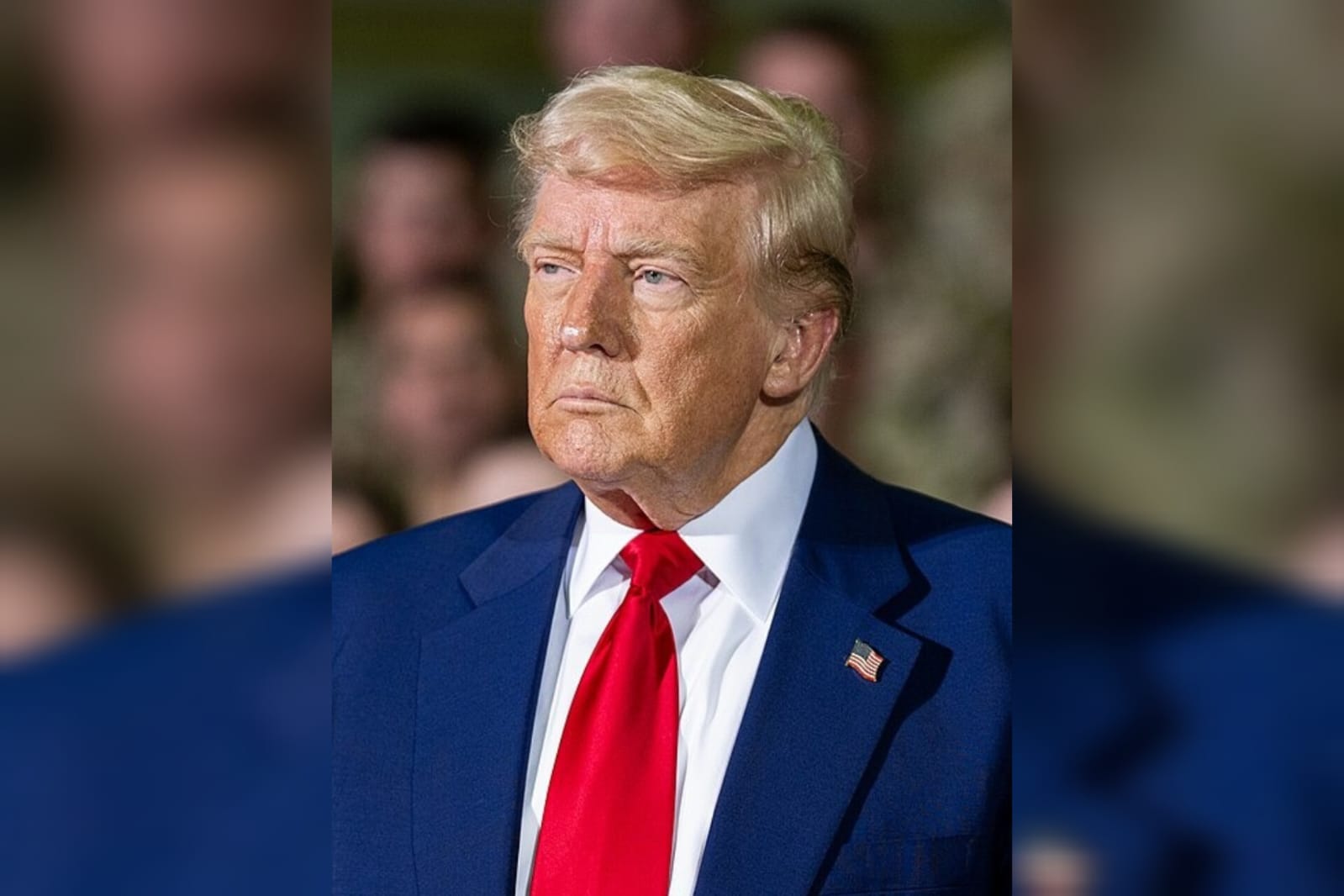
At the G7 Summit in France, President Donald Trump signaled uncertainty regarding the U.S. negotiations with Iran, declaring that a conclusive agreement remains elusive. He emphasized that the current discussions are merely at the stage of a memorandum of understanding and cautioned that military action could be a possibility if Iran fails to meet U.S. expectations. Trump’s comments suggest that the U.S. might reconsider military strikes, stating that “dropping bombs” could be an option should Iran not adhere to its commitments.
These remarks stand in stark contrast to Trump’s earlier statements during the summit, where he characterized the evolving agreement as a “powerful document” and hinted at a significant diplomatic breakthrough. The mixed messages from the U.S. President have injected a layer of uncertainty into the diplomatic efforts aimed at easing regional tensions. The proposed framework, which is still under negotiation, is intended to initiate a 60-day period focused on addressing Iran’s nuclear program and other regional security concerns. However, many crucial details have yet to be resolved, leaving the final outcome dependent on ongoing discussions between the involved parties.
In spite of the political uncertainty, the markets have reacted positively to the possibility of reduced tensions, with oil prices showing a decline as expectations for improved global oil supply conditions rise. Some initial indicators also point to a partial resumption of oil flows following recent disruptions, although the situation remains unpredictable.
Analysts believe that the contradictory signals from the Trump administration underscore the delicate nature of the negotiations, with both diplomatic efforts and military threats currently influencing the trajectory of U.S.–Iran relations. As the talks progress, the international community remains watchful of the developments, understanding the critical impact they could have on regional stability and global markets.