The Iran-aligned Houthi Movement in Yemen has issued a “total ban” on Israeli shipping activities in the Red Sea, marking all such operations as valid military targets. This move has heightened concerns about potential disruptions in one of the globe’s crucial maritime trade routes, further escalating tensions in the Middle East. The Houthis have also claimed responsibility for a missile attack directed at Israel, asserting that the offensive met its objectives.
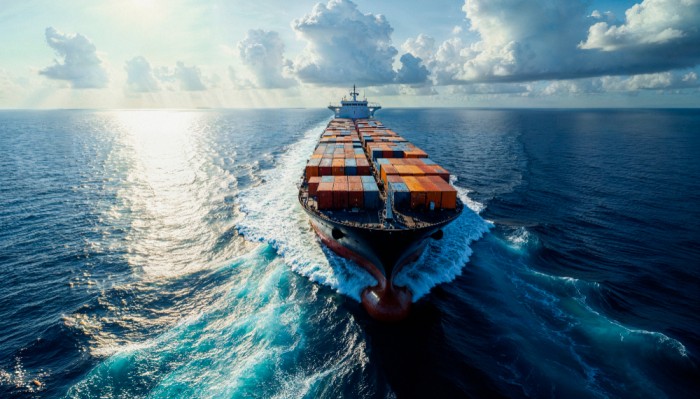
Israel’s defense forces confirmed that a missile was launched from Yemen, prompting the activation of their air defense systems to intercept the incoming threat. The Red Sea is a vital conduit for global shipping, linking Europe and Asia via the Suez Canal. Past attacks by the Houthis on commercial ships amid the Israel-Hamas conflict had already forced shipping companies to reroute vessels around the southern tip of Africa, leading to significant increases in transportation costs and delays in delivery schedules.
These developments come amidst ongoing regional tensions, notably marked by reports of reciprocal attacks between Israel and Iran. The Houthi announcement has sparked fears of renewed aggression against commercial vessels operating in the region, which could further destabilize the already tense geopolitical climate.
Additionally, the stability of the Strait of Hormuz, a crucial passage for global energy exports, remains a concern. Any sustained disruption in either the Red Sea or the Strait of Hormuz could seriously impact international trade and oil markets. The Houthis are considered part of the “Axis of Resistance,” a coalition of Iran-backed groups that includes Hezbollah, and have maintained control over large swathes of Yemen, including its capital, Sanaa, since 2014.
Analysts warn that this latest threat from the Houthis could exacerbate the risks faced by commercial shipping in the region, adding another layer of uncertainty to an already volatile situation. The geopolitical stakes remain high, with the potential for significant economic repercussions if these vital sea routes are compromised.