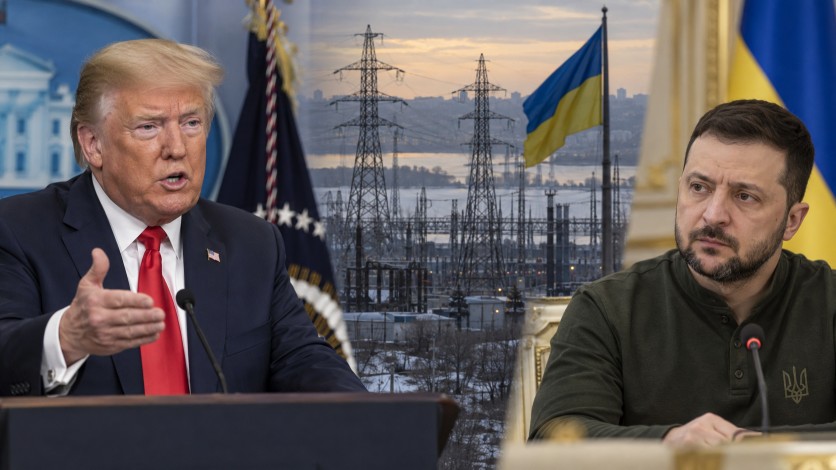
Tensions between the United States and Ukraine have surfaced following President Donald Trump’s announcement of an energy ceasefire between Russia and Ukraine. Trump claimed that both sides had agreed to halt attacks on energy infrastructure, yet Ukrainian President Volodymyr Zelenskyy stated that he was not informed of such an agreement and would only accept it if Russia also ceased its attacks.
The announcement, made through a social media post by Trump, lacked specific details on the ceasefire’s implementation or start date. Zelenskyy emphasized Ukraine’s readiness to comply if Russian President Vladimir Putin had agreed to the same terms. The situation was further complicated by a dispute over Ukraine’s long-range strikes on Russian oil refineries, which Trump had urged Ukraine to stop, whereas Zelenskyy insisted that Russia must first cease its strikes on Ukrainian energy facilities.
Zelenskyy reported that Russian drones and airstrikes were ongoing despite Trump’s announcement, with Ukrainian energy infrastructure, including a thermal power station in Kharkiv, under continued attack. The Ukrainian president also highlighted repeated strikes on gas and oil facilities across the country.
Compounding the tension, Trump announced plans to ease sanctions on Russian diesel exports, arguing that it could reduce fuel prices in the U.S. ahead of the midterm elections. Zelenskyy criticized this decision, warning that it might bolster Russia’s financial capacity to sustain the war. Trump responded by criticizing Zelenskyy for not making concessions and suggested that Ukraine needed new leadership. In response, Zelenskyy asserted that leadership decisions rest with the Ukrainian people and considered the possibility of elections if Russia agreed to a comprehensive 60-day ceasefire.
The disagreement has raised concerns among Ukrainian officials and European allies regarding Washington’s approach to ending the conflict. Reports suggest that the U.S. might leverage military procurement and economic incentives to pressure Kyiv and Moscow into a ceasefire agreement. Ukraine maintains that its attacks on Russian oil facilities are crucial to undermining Moscow’s war funding, while Russia’s continued bombardment of Ukrainian cities and infrastructure strengthens Kyiv’s demand for an equitable ceasefire.
Zelenskyy has engaged with European and other international leaders to bolster support for Ukraine. Several European leaders have reiterated the importance of maintaining pressure on Russia and have called for an immediate cessation of attacks on Ukrainian energy infrastructure. With no clear confirmation of Russia’s agreement to the proposed ceasefire, the situation remains uncertain, highlighting the growing strain between Washington and Kyiv over the conditions necessary to end the war and ensure lasting peace.