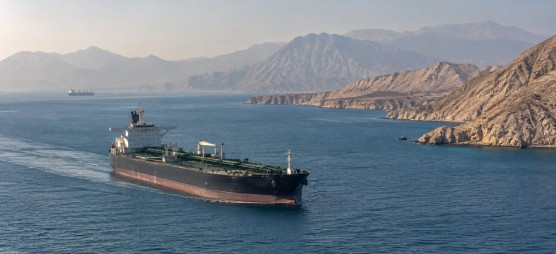
The potential reopening of the Strait of Hormuz within a week could significantly ease tensions in one of the world’s most crucial maritime corridors, provided the United States reduces its military presence and lifts its blockade on Iranian ports. This development comes as Iran proposes a diplomatic resolution to ongoing disputes, which have heightened risks for global energy shipments.
Iran’s offer was relayed to Washington through mediators on September 16, with a call for the United States to engage in diplomatic talks to resolve the situation. This proposal coincides with the United Nations General Assembly in New York, where Iranian President Masoud Pezeshkian has traveled, signaling Tehran’s readiness for dialogue. Although a direct meeting with U.S. President Donald Trump is not on the agenda, the Iranian delegation is authorized to pursue discussions through intermediaries.
The Strait of Hormuz has been a focal point of tension, given its strategic importance for international oil transportation. Iran has linked the reopening of this key waterway to a reduction in U.S. military pressures. The situation remains delicate, with Iran warning of potential retaliation should the U.S. resume military operations in the region.
U.S. Secretary of State Marco Rubio has expressed willingness to engage with Iranian representatives during the UN assembly, although no formal meeting has been scheduled. The United States maintains that any discussions should contribute to efforts aimed at preventing Iran from acquiring nuclear weapons. Meanwhile, both nations are under pressure to find a peaceful and diplomatic solution to broader disputes, including Iran’s nuclear program and the security of the Strait of Hormuz.
As global stakeholders watch closely, the unfolding diplomatic efforts could pave the way for a de-escalation of hostilities, which in turn may stabilize the critical shipping lane and mitigate risks associated with the ongoing geopolitical tensions.