Italy has experienced a rise in its annual inflation rate, reaching 3.2% in May, an increase from 2.7% in April. This information comes from preliminary data that indicates a continued upward trend in consumer costs, with prices climbing by 0.4% compared to the previous month.
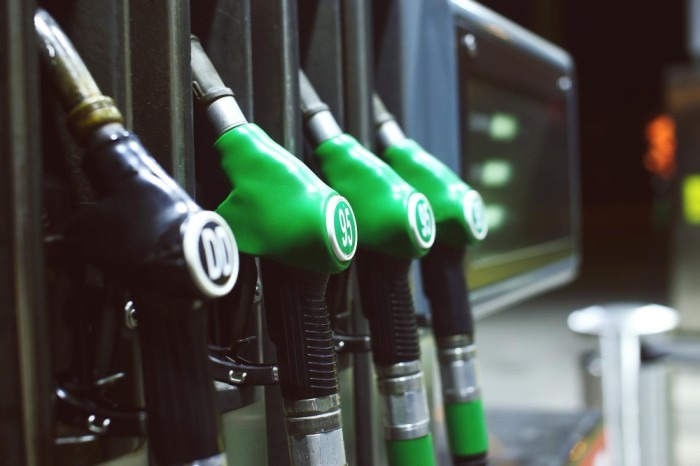
The primary driver behind this inflation surge is the escalating cost of energy. Non-regulated energy products have seen a notable increase, while regulated energy prices have also continued to rise. Additionally, the costs associated with transportation services, as well as recreational and personal care services, have contributed to the upward pressure on inflation.
Despite these increases, the prices for food, household goods, and personal care products have remained stable, maintaining an annual growth rate of 2.3%, the same as in April. This stability offers a slight reprieve amid the broader inflationary pressures impacting the economy.
The latest inflation figures underscore the significant role that rising energy prices are playing in shaping Italy’s economic landscape. These increased costs are permeating various sectors, exacerbating inflationary pressures across the board. As a result, economists and policymakers are paying close attention to these trends, as both households and businesses are grappling with higher living and operating expenses.
With ongoing uncertainties in the global energy markets, Italy’s economic stakeholders are closely monitoring these developments. The challenge remains to manage the impact of these rising costs while navigating the broader economic implications. The situation highlights the interconnected nature of energy prices and their influence on the broader economy, making it a critical area of focus for future economic strategies.